When people notice a leak, hear something on the roof, or suspect storm damage, they’re often left unsure of what to do next. Getting someone up there can be risky, costly, or delayed — especially after bad weather when roofing companies are booked out. Traditional inspections might require ladders, scaffolding, or even walking on fragile tiles, which adds expense and potential damage.
That’s where aerial roof inspections come in. With a drone, I can quickly capture detailed images of your entire roof without anyone needing to climb up. It’s faster, safer, and gives you a clear picture of what’s going on — so you can make informed decisions about repairs, quotes, or insurance claims.
In many cases, it helps you catch small issues before they become big repairs, potentially saving you hundreds or even thousands of dollars.
When you book a roof inspection with me, you’re getting more than just a few drone photos — you’re getting a professional, repeatable service backed by a clear and consistent workflow. Every inspection follows a set process: from careful flight planning and systematic image capture to easy-to-understand reports with high-resolution visuals. Unlike other drone operators who take a “point and shoot” approach — flying with no real plan and delivering a handful of random photos — I ensure every critical part of the roof is covered. That means no guesswork, no missed areas, and no confusion. You get exactly what you paid for: a clear visual record of your roof’s condition, delivered to a consistent standard every time.
You can expect the following:
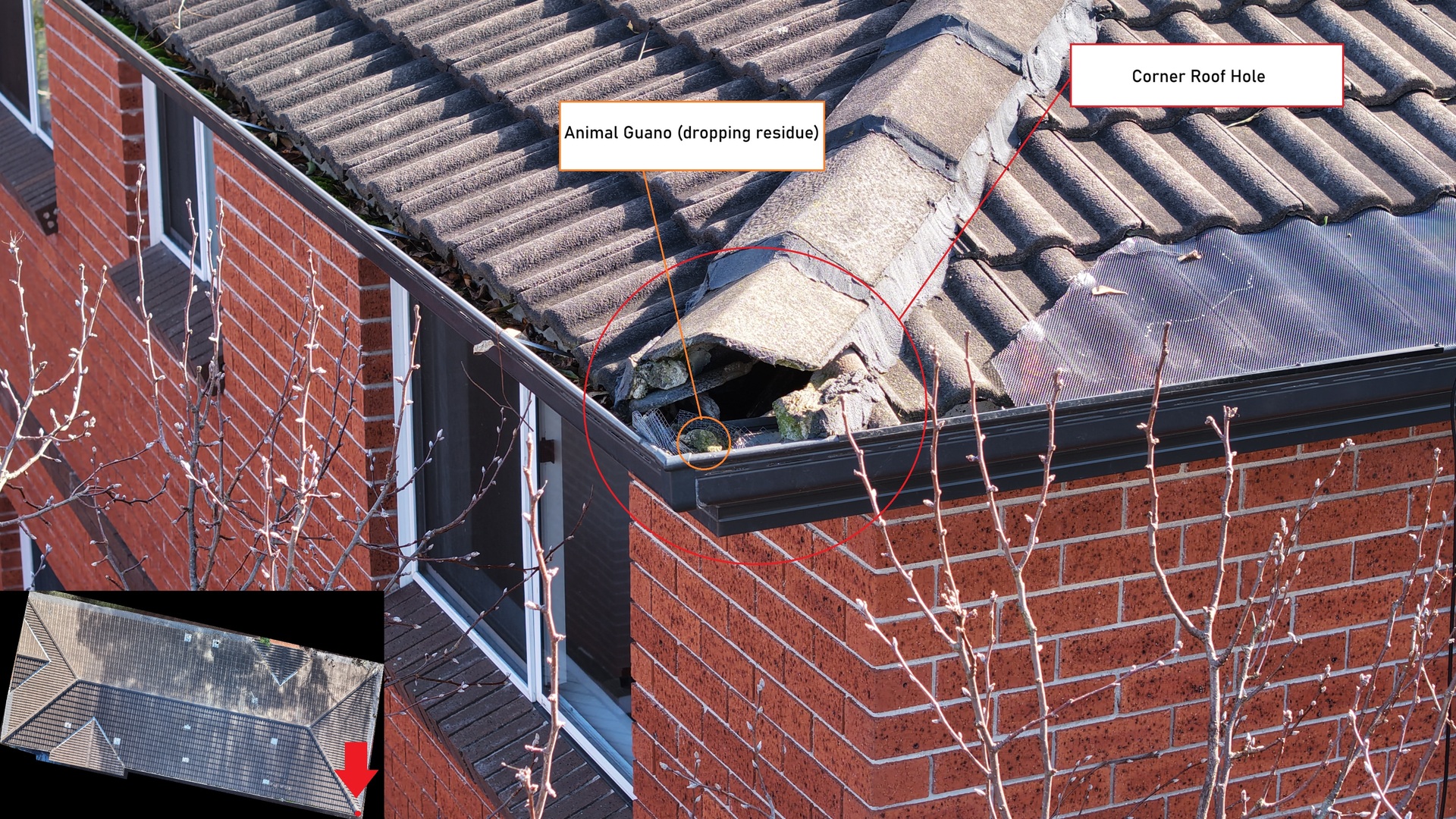
- Annotated images (as shown)
- ALL the original files
- A Inspection Report (on what I have seen and made note of)
Additionally, depending on the circumstances I may choose to also provide the following:
- A 3D model of the roof
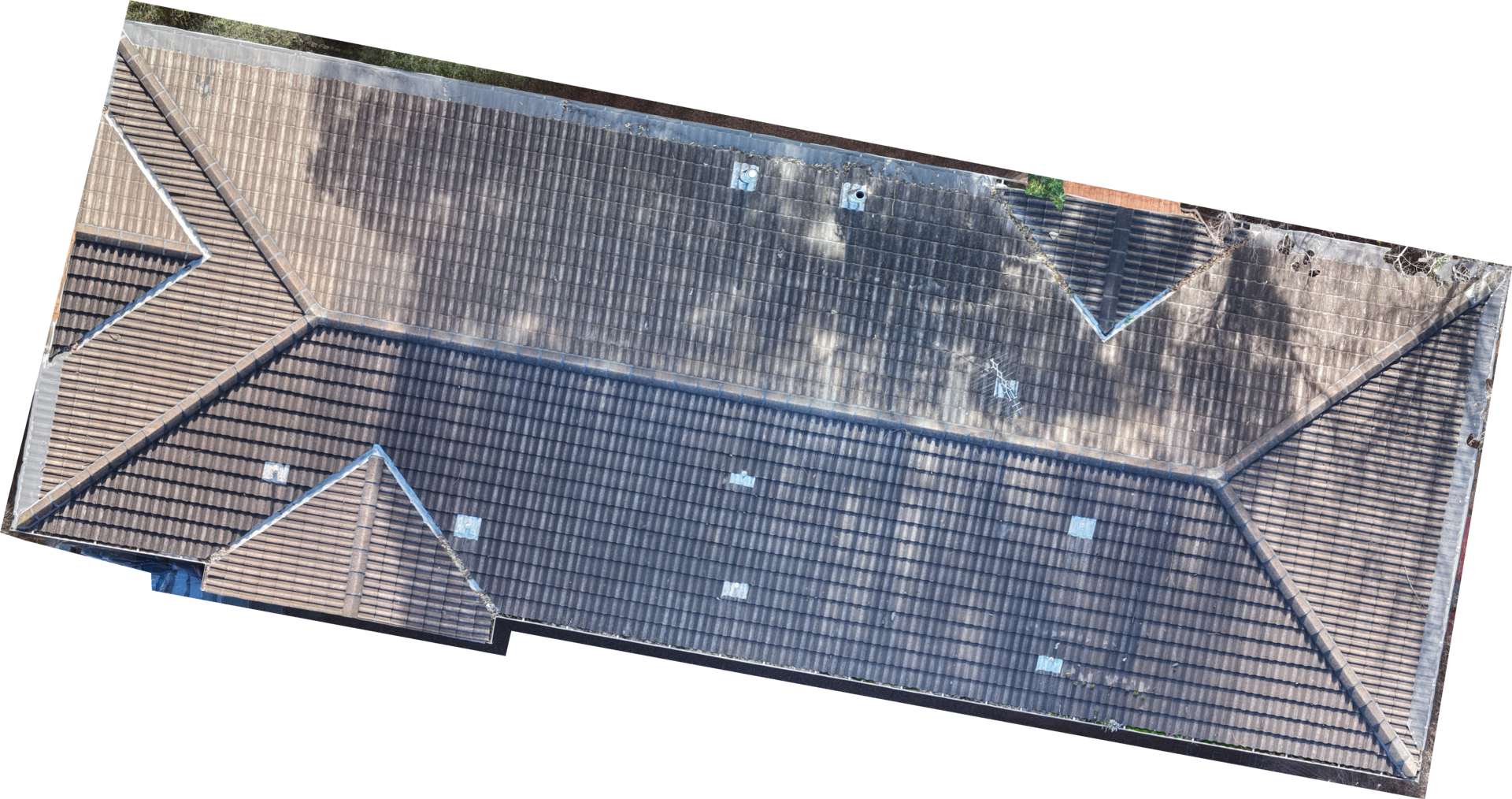
- An Orthomosaic
- A Digital Surface Model